20.03.2026 –
21.06.2026
WHEN POLITICS STRATEGISED AESTHETICS – Works from the National Museum of Modern Art Zagreb 1945–1960
- From socialist realism to abstraction
- About the exhibition
- Artists
- Press coverage
- Photo gallery
- Support
- Cooperation partners
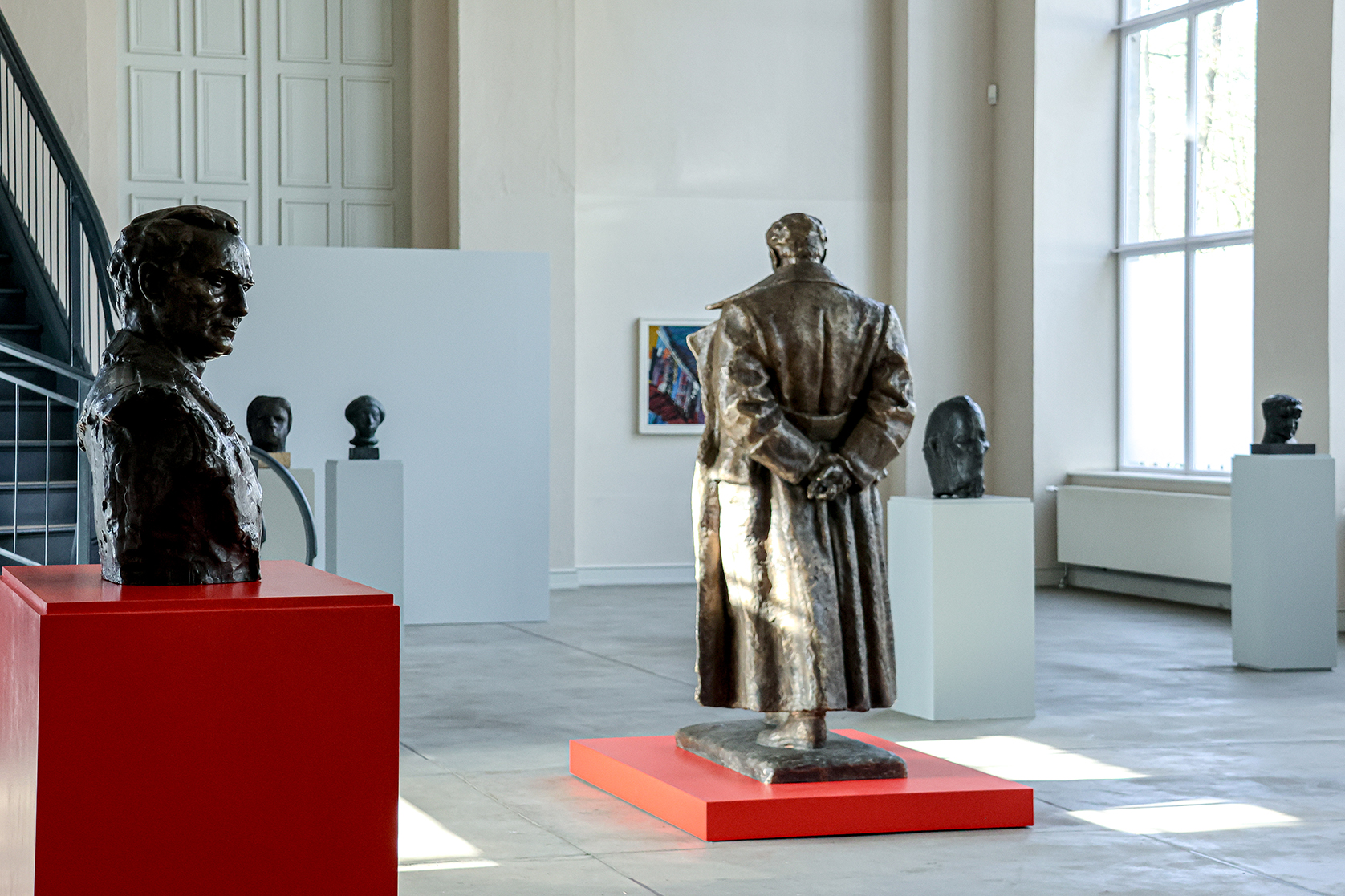
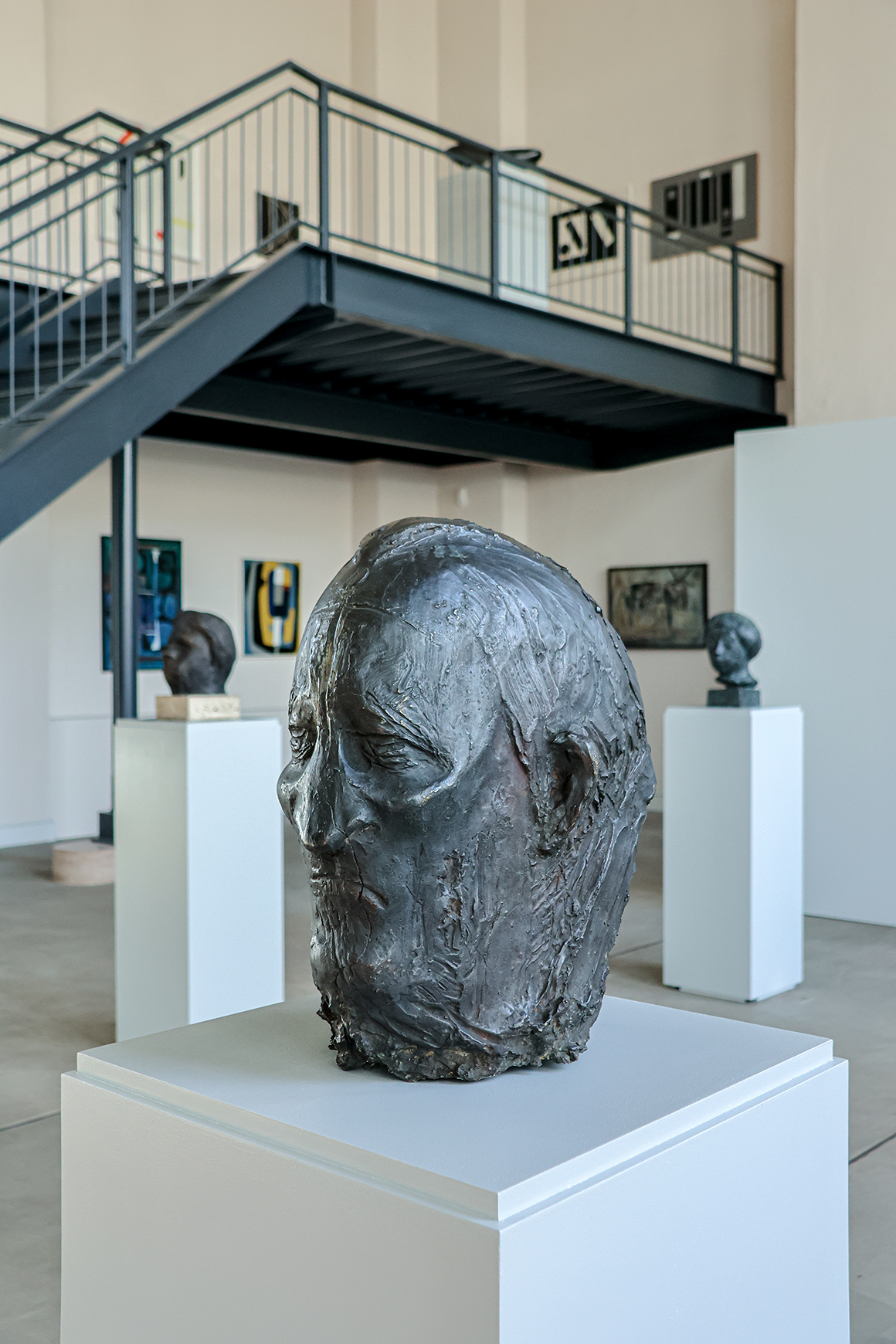
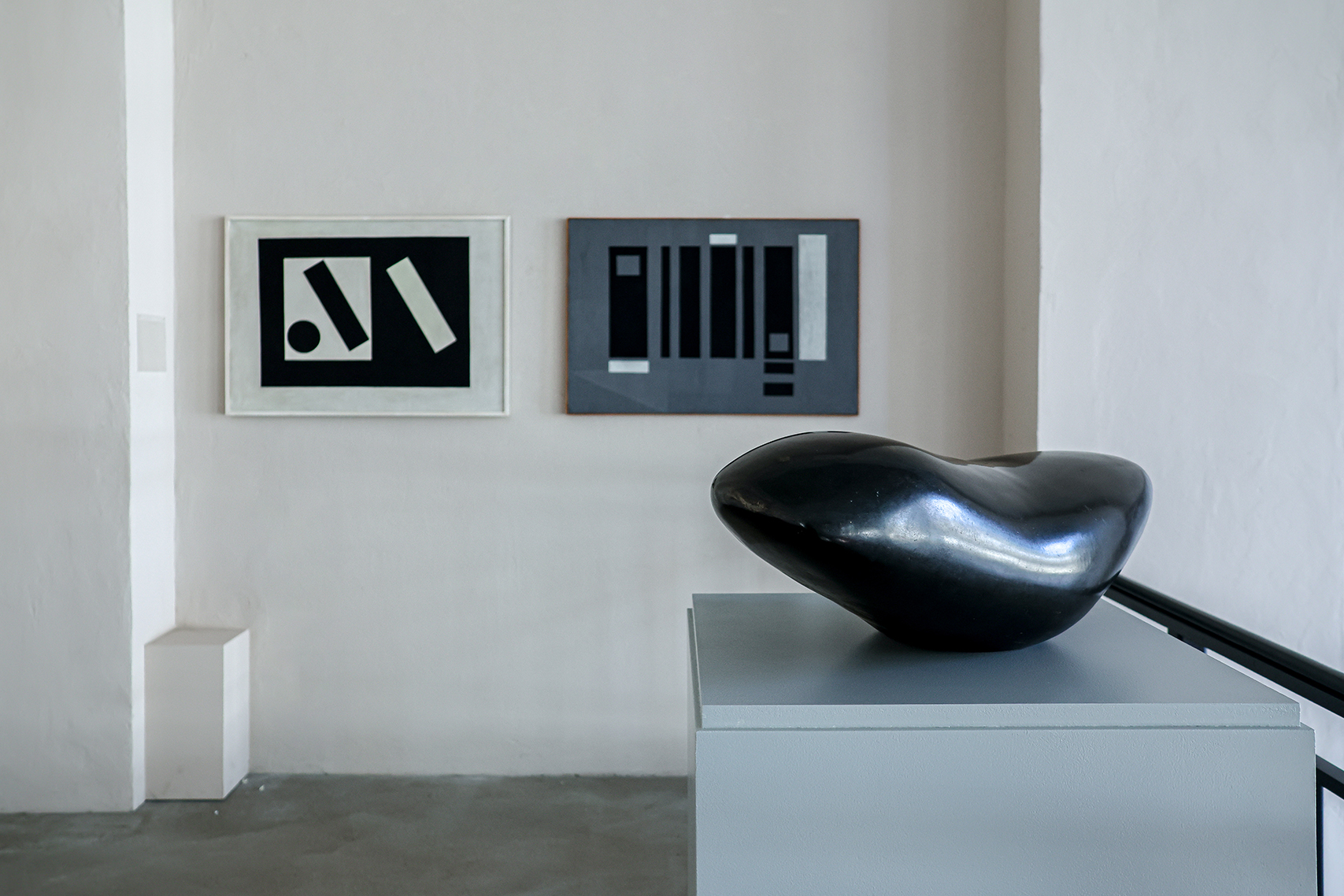
With the exhibition When Politics Strategised Aesthetics, Kunsthaus Dahlem traces the trajectory of Yugoslav art from Socialist Realism to abstraction between 1945 and 1960. While broader developments within the Yugoslav cultural context at the time are examined, the focus is on artists from Croatia. Through significant works from the National Museum of Modern Art (NMMU) in Zagreb, it becomes clear how political upheavals fostered the emergence of an independent artistic language.
Curators: Branko Franceschi (Director, NMMU) and Marta Radman (Curator, NMMU)
From socialist realism to abstraction
After World War II, Socialist Realism became the dominant artistic doctrine in many socialist states, including East Germany (GDR). Art was expected to make the construction of the new society visible, convey political ideals, and function as a tool of state ideology. While this style dominated in the GDR for many years, Yugoslavia embarked on its own path.
At first, socialist authorities and public cultural institutions also promoted heroic depictions of the partisan resistance and the reconstruction of the war-torn country. Portraits of leading communist officials – above all the omnipresent head of state Tito – formed another central motif. After the break with Stalin in 1948, however, Yugoslavia increasingly opened to the West politically, economically, and culturally. In the arts this shift brought about a remarkable transformation: abstraction, experimentation, and existential figuration gained growing importance. Art also became a means of cultural diplomacy, helping Zagreb develop into an international centre of modern art from the 1950s through the 1970s.
About the exhibition
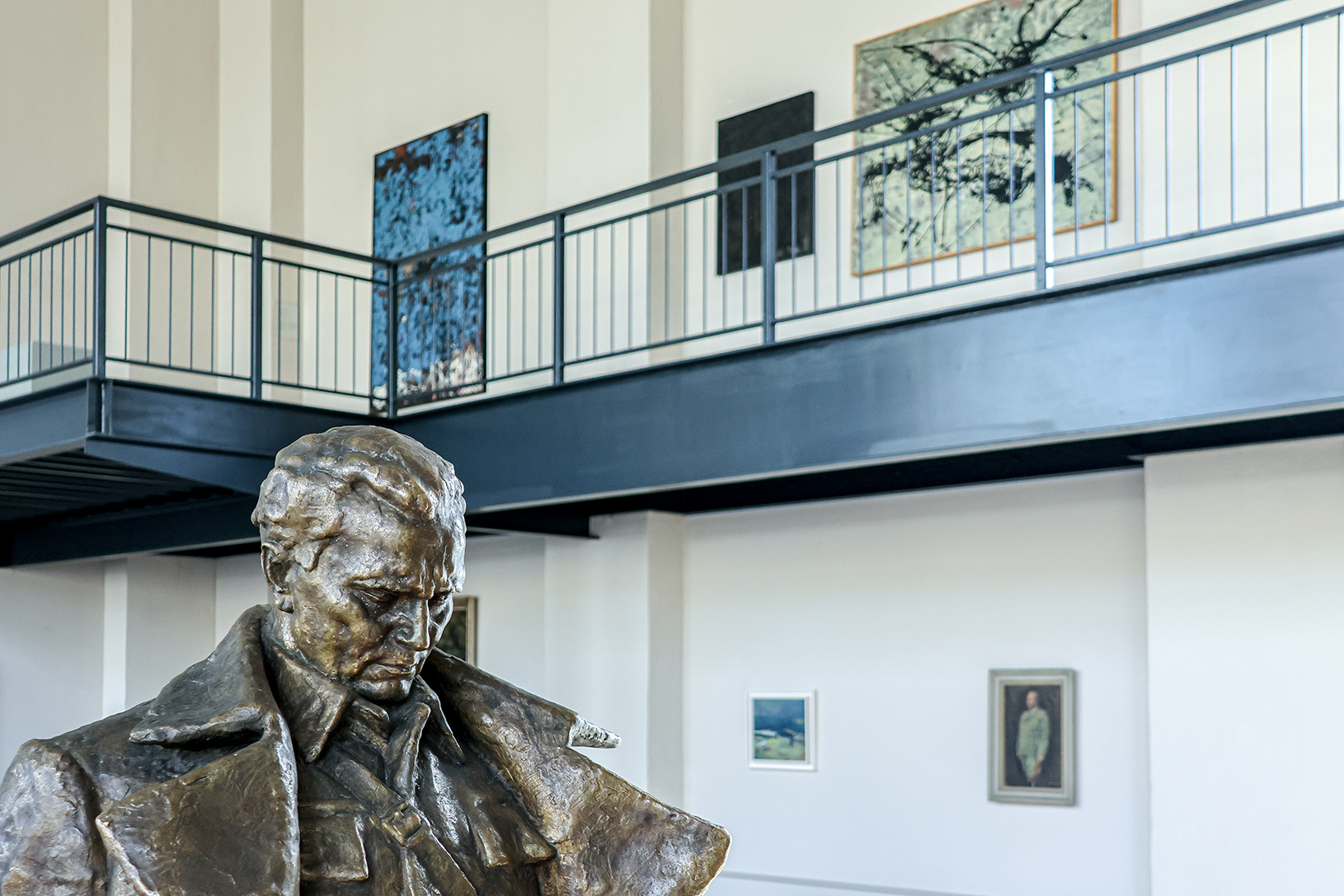
The exhibition presents this transformation through representative works commissioned for the collection of the National Museum of Modern Art in Zagreb. It traces the development from state-aligned figurative art to free, abstract visual languages and introduces artists who sought their own forms of expression between political control and artistic freedom. The selection comprises sculptures, paintings, works on paper, as well as medals and ephemera.
At the same time, this aesthetic development was shaped by dramatic political experiences. While Yugoslavia cautiously moved closer to the West, the Communist Party maintained its power domestically through repression, violence, and the persecution of political opponents. This darker historical background forms the tension against which an art emerged that expressed hope, control, resistance, and new beginnings.
Artists
Antun Augustinčić, Vojin Bakić, Marijan Detoni, Dušan Džamonja, Ivo Gattin, Ivan Jeger, Ksenija Kantoci, Julije Knifer, Slavko Kopač, Vladimir Kristl, Ferdinand Kulmer, Milena Lah, Aurelije Lukežić, Valerije Michieli, Edo Murtić, Ivan Paleka, Šime Perić, Ivan Picelj, Vanja Radauš, Božidar Rašica, Ivan Sabolić, Aleksandar Srnec, Marino Tartaglia and Josip Vaništa.
Press coverage
- Večernji list (10.03.2026, in Croatian)
Branko Franceschi: “Kunsthaus Dahlem was built during the National Socialist period and was originally the residence of Hitler’s favourite sculptor” - HRT – Hrvatska radiotelevizija (20.03.2026, in Croatian)
Berlin: How Politics Influenced Croatian Visual Art (Dora Novak)
Photo gallery
SUPPORT
Сircle of friends Freundeskreis Kunsthaus Dahlem – Bernhard Heiliger e. V.
COOPERATION PARTNERS
Nacionalni muzej moderne umjetnosti (National Museum of Modern Art in Zagreb)